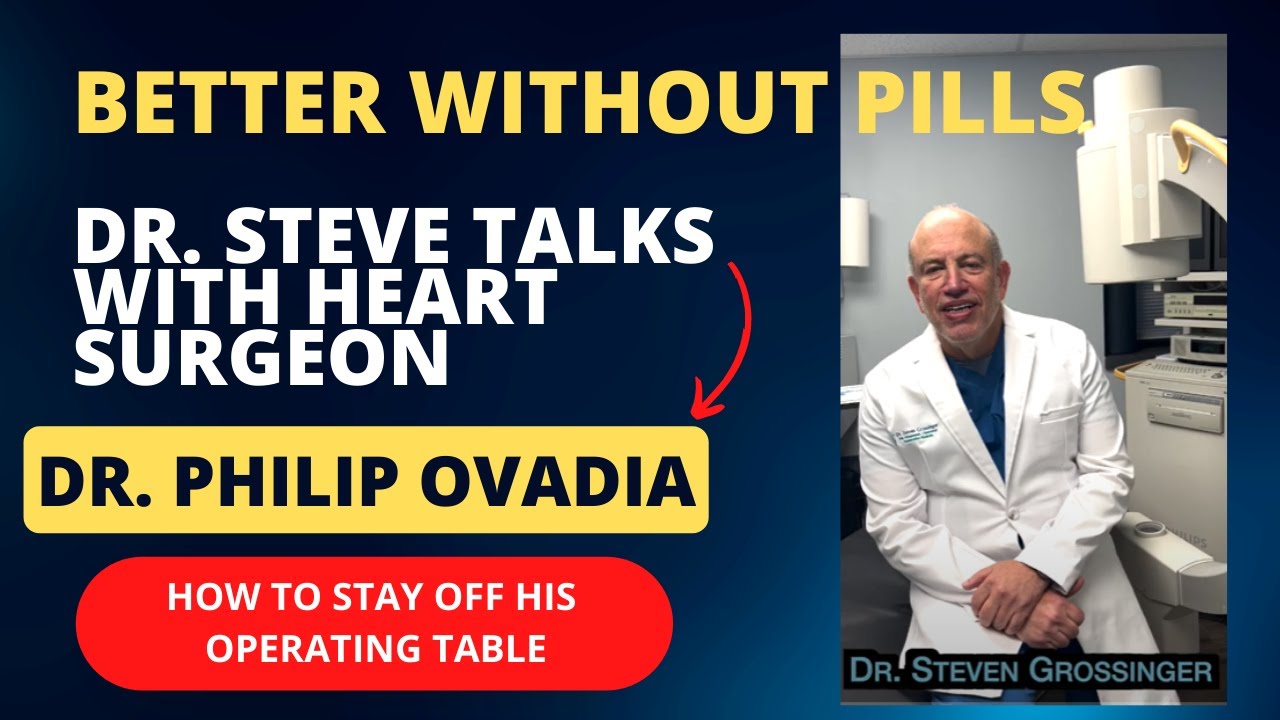
Why Dr Philip Ovadia believes we need to rethink heart disease
In this conversation, Dr Philip Ovadia shares what led him to shift focus from performing open-heart surgeries to preventing them altogether. After performing over 3,000 surgeries, he realized that the healthcare system was treating symptoms without addressing root causes. Dr Ovadia explains how he changed his personal health, losing over 100 pounds, and why metabolic health is the foundation for preventing chronic conditions including heart disease.
Dr Philip Ovadia’s personal turning point
He opens up about being a heart surgeon who was once pre-diabetic and obese. Following standard guidelines wasn’t working, so he began questioning everything he learned in training. This led to a radical change in his own life and the lives of his patients. His experience helped him understand why many of the most commonly held beliefs about fat, cholesterol, and heart disease are flawed.
The core problem behind chronic disease according to Dr Ovadia
Dr Ovadia breaks down the concept of metabolic health in practical terms. He explains how the body processes food, stores energy, and why too much stored energy leads to insulin resistance. He lays out why insulin resistance, not cholesterol, is the key driver of heart disease, and how this same root cause is also linked to cancer, Alzheimer’s, and many autoimmune conditions.
Why metabolic markers matter more than cholesterol numbers
Rather than focusing on LDL cholesterol, Dr Ovadia encourages people to track five basic metrics: waist circumference, blood pressure, fasting glucose, HDL, and triglycerides. He explains how to measure these and what healthy targets look like. He stresses that 88% of American adults fail to meet the optimal range for these five markers, which puts them at higher risk for chronic illness.
Nutrition changes that led to long-term results for Dr Ovadia
He shares how removing sugar and cutting carbohydrates helped him transform his health. Over time, he adopted a carnivore-style diet built around nutrient-dense whole foods. He breaks down why red meat has been unfairly criticized and why processed foods—not meat, salt, or fat—are the real culprits. He makes a compelling case for why returning to ancestral eating patterns makes more biological sense.
Tools and tests Dr Ovadia recommends for prevention
Dr Ovadia explains the value of coronary artery calcium scoring to detect early heart disease. He discusses the difference between cholesterol as a marker versus a cause and why a zero calcium score is ideal. He also touches on how to interpret statin data, and why the number needed to treat may surprise people considering cholesterol-lowering drugs.
Where to begin and how to find support
Dr Ovadia has built a telemedicine practice to support people across the country. He offers coaching, a book, online resources, and emphasizes the need for practitioners who understand metabolic health. He recommends the Society of Metabolic Health Practitioners for anyone seeking care aligned with this approach.